
The Shared Inbox as a Process System, Not a Mailbox
Shared inboxes quietly run SMB operations. Learn common workflow failure modes and a practical framework to turn email threads into auditable SOPs.
Why the shared inbox becomes your real workflow engine
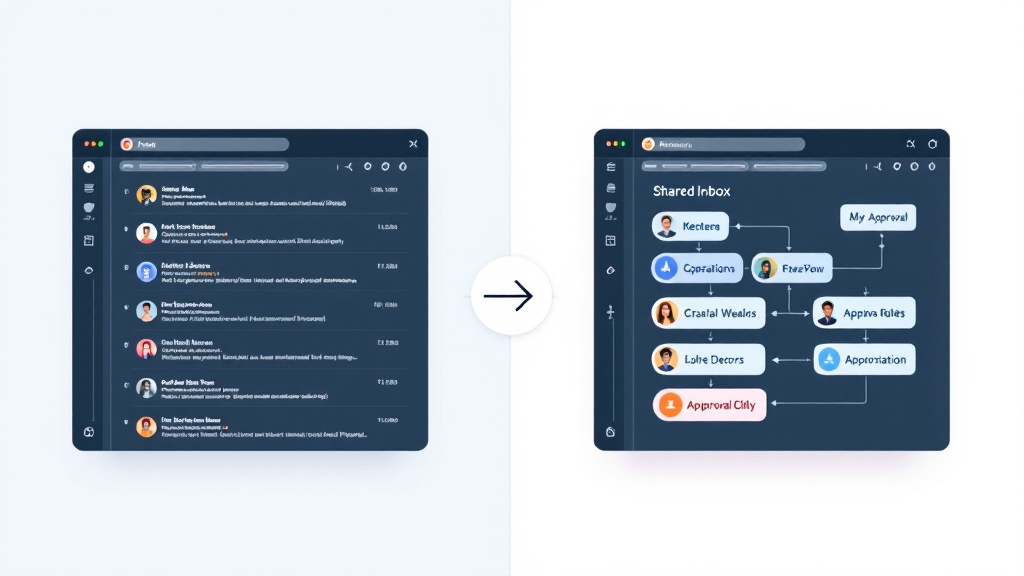
In many SMBs, the shared inbox isn’t just where requests arrive—it’s where work happens. “Support@,” “ops@,” and “billing@” become routing layers, approval queues, and de facto task boards. The problem is that email was designed for communication, not workflow-design. So the inbox accumulates operational logic: who responds first, what tools get used, which policies apply, and how exceptions are handled.
That makes the shared inbox a hidden piece of operations infrastructure. When it’s healthy, it standardizes service and keeps work moving. When it’s not, it creates uneven handoffs, duplicated effort, and knowledge that only exists in a few people’s heads. Over time, teams rely on “how we answered the last one” instead of documented guidance, and process-management becomes reactive.
Treating a shared-inbox as a process system means acknowledging what it already is: a living record of real workflows. The opportunity is to translate that record into repeatable, reviewable procedures—without losing the nuance that makes email effective.
Three failure modes: handoff ambiguity, policy drift, and silent exceptions
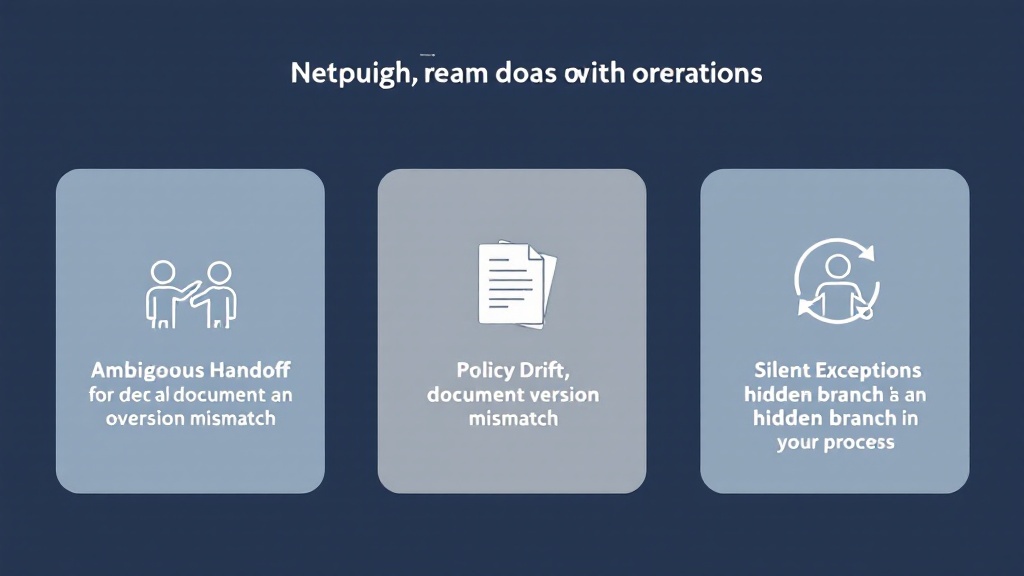
Most shared inbox breakdowns follow predictable patterns. First is handoff ambiguity: two people assume the other replied, or a request stalls because the “next owner” is unclear. Email lacks explicit state (queued, in review, approved), so teams invent it with labels, forwarding, and memory—until volume rises.
Second is policy drift. The “right way” to do something—refunds, onboarding, access requests—changes, but the inbox keeps operating on old assumptions. A new finance rule is mentioned in a thread, not reflected in the SOP, and the next hire repeats the outdated pattern. This is where process-management and documentation diverge.
Third is silent exceptions: edge cases handled ad hoc without being captured. Partial refunds, VIP requests, unusual compliance constraints—solutions live in scattered email replies. Over time, exceptions become normal work, but they’re invisible to your workflow-design. If you want consistent execution, you need a way to surface patterns from the shared-inbox and reconcile them with what your SOPs say today.
A practical framework: cluster → draft SOP → govern changes
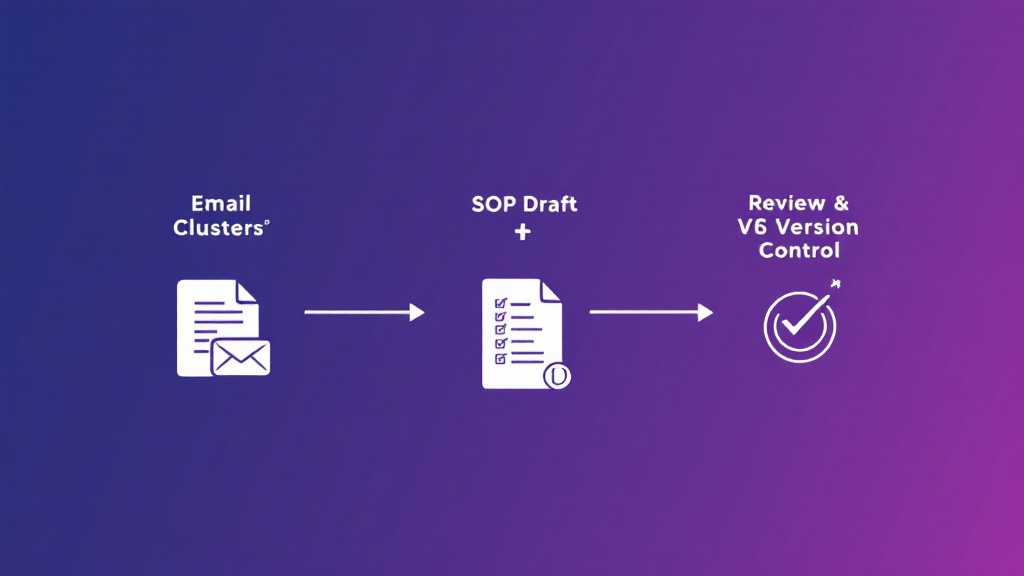
To treat the inbox as operational infrastructure, use a simple framework. 1) Cluster the work. Group historical threads into repeatable request types (e.g., “refund request,” “shipping address change”) and identify variations. This turns noisy email into an understandable map of your real workflows—especially valuable for SMB teams without dedicated analysts.
2) Draft SOPs grounded in reality. From each cluster, extract steps, roles, prerequisites, tools, and outcomes. Crucially, reconcile drafts with existing documentation so you’re not creating parallel truth. This is where modern LLM-powered tools can help: they summarize what people actually do, then align it to your templates and standards.
3) Govern change like you would code. Route drafts through review, comments, approvals, and version history. When new email patterns appear that conflict with the published procedure, flag them as candidates for an update. Tools like InboxProcess Studio aim at this moonshot: converting recurring email into governed SOPs that stay current as workflows evolve—making operations, shared-inbox management, and workflow-design more auditable and less dependent on tribal memory.